
Laboratories of the Nursing Department
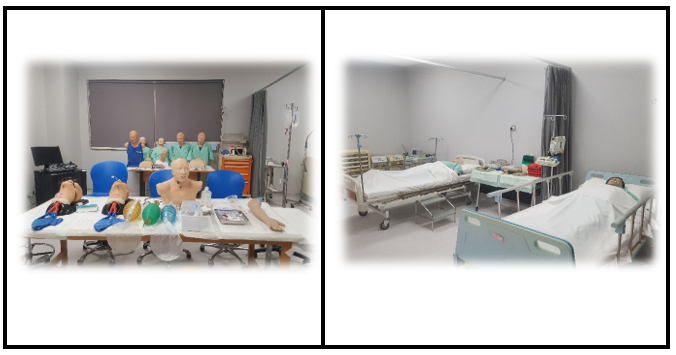
1- Health assessment lab:
One of the nursing department’s laboratories. It is used to train students on clinical examination skills to check body health. The laboratory is equipped with modern equipment and medical supplies necessary for clinical examination, in addition to models and mocks up that simulate the natural body.
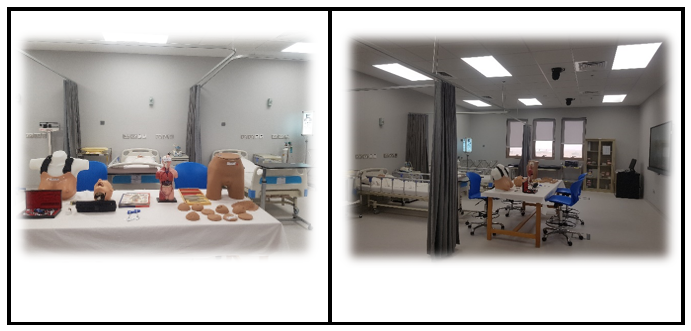
2- Foundations of nursing lab:
It is used to train basic nursing skills. The lab contributes to providing students with the necessary competencies to meet the needs and solve the problem of patients during different age stages.
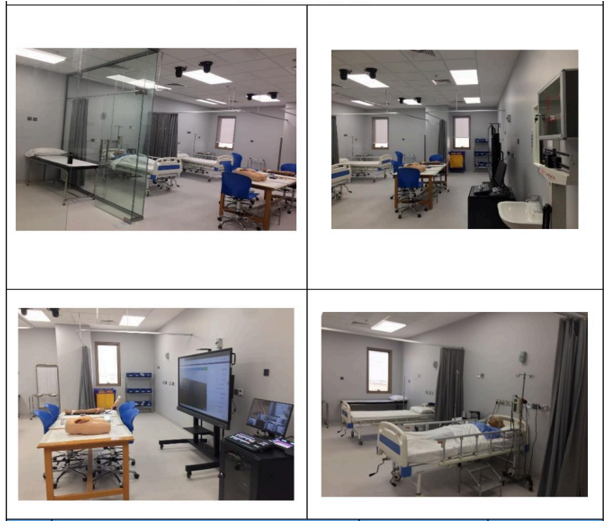
3- Medical surgical nursing lab:
This laboratory provides students with the necessary skills to provide nursing care to adult patients in the specialty of internal and surgical nursing while following scientific steps in implementing the nursing tasks the patients need in addition to providing students with competencies related to chronic diseases.
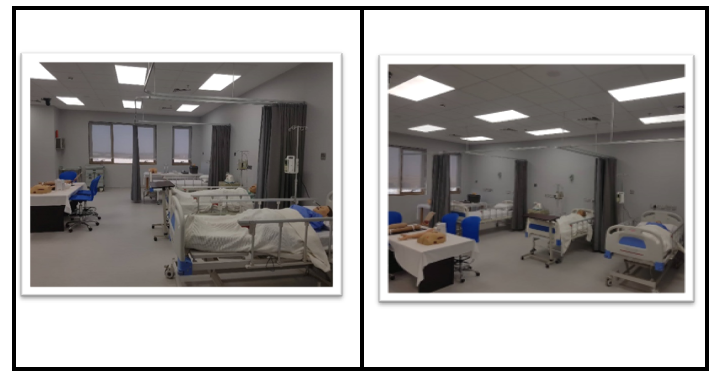
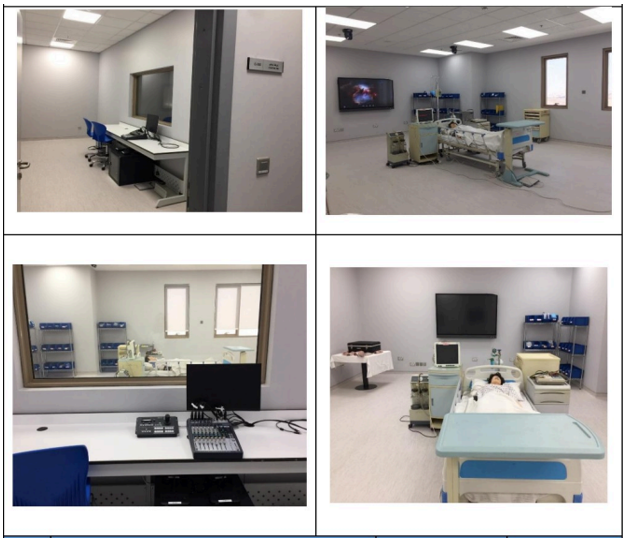
4- Simulation lab:
The lab simulates virtual reality as one of the innovations in educational technology. It is an alternative learning environment that simulates real reality, where students interact with dolls that simulate the real human body and some assistive devices. The laboratory simulates a hospital environment and it is equipped with various equipment and devices that contribute to preparing and training students in various nursing skills.
5- Obstetrics and Gynecology Lab (Reproductive Lab):
This laboratory is concerned with the practical aspect of reproductive health nursing, neonatal care, and the postpartum period, by applying the skills necessary for nursing care of women during the various stages of pregnancy and childbirth.

6- Child Health Nursing Lab:
This laboratory focuses on the practical aspect of child health nursing by applying the skills necessary for special nursing care of children during different age stages by providing the necessary equipment which simulates and resembles the hospital environment.

7- Intensive Care Units Lab:
This lab provides students with the necessary competencies to give them the necessary skills and qualify them to provide specialized, high-quality nursing care in the field of critical and emergency nursing to the individual, family, and community in various health care settings.